
Incorporated in 1947 and formally organized in 1964, Ohio University Press is the oldest scholarly publisher in the state. Ohio University Press books have established the press as an essential member of its many communities: scholarly, literary, and geographic.
Please use promo code EVENT for a 30% discount on all Series in Victorian Studies titles at ohioswallow.com.
Forthcoming and Recent Publications in Victorian Studies
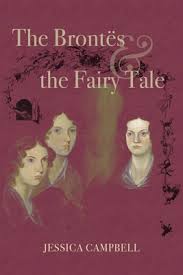
The Brontës and the Fairy Tale
Jessica Campbell
This is the first comprehensive study devoted to the role of fairy tales and folklore in the work of the Brontë family of writers: Charlotte, Emily, Anne, and Branwell. It engages with and extends the contemporary critical discourse on genre, literary realism, the history of the fairy tale, national identity, and the position of women in the Victorian period.
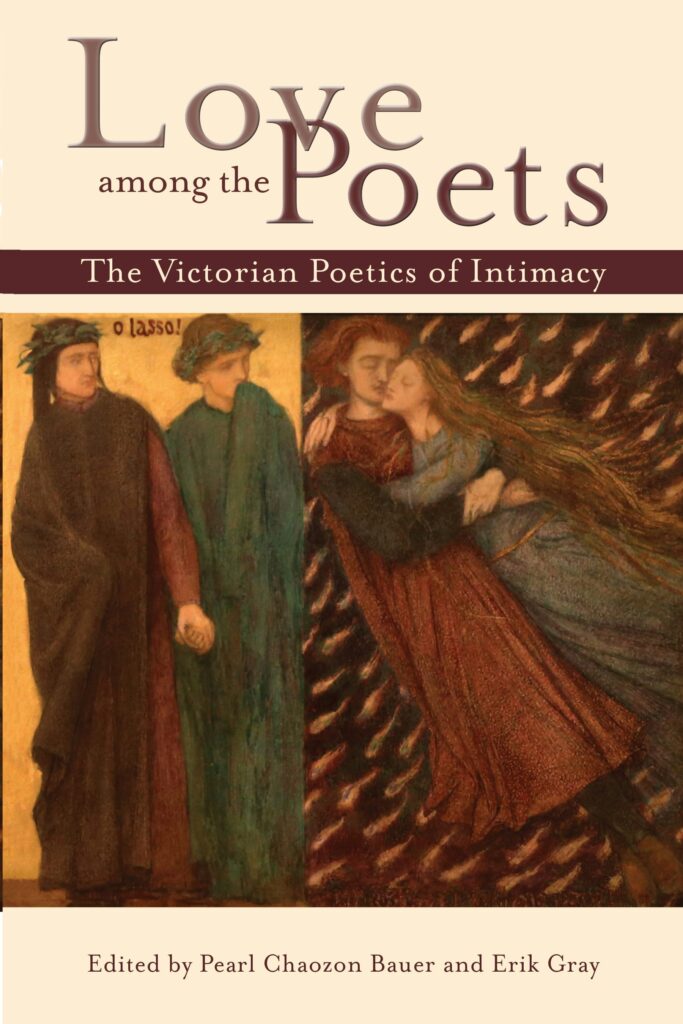
Love among the Poets: The Victorian Poetics of Intimacy
Edited by Pearl Chaozon Bauer and Erik Gray
Many of the greatest love poems in English date from the Victorian period, yet this is the first scholarly book in decades to consider the whole range of Victorian love poetry by authors such as Christina Rossetti, Gerard Manley Hopkins, Augusta Webster, Thomas Hardy, and William Butler Yeats. It includes contributions by many of the leading scholars of Victorian poetry.
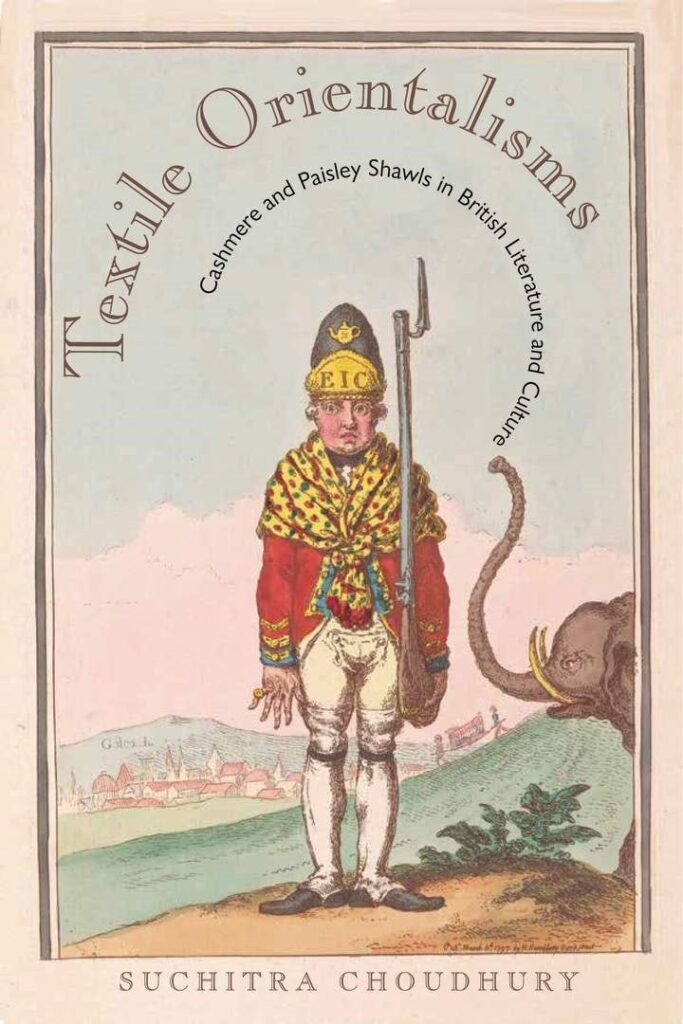
Textile Orientalisms: Cashmere and Paisley Shawls in British Literature and Culture
Suchitra Choudhury
Considering popular literary images of Indian and Paisley shawls as markers of fashion, class, gender, and race during the long nineteenth century, this book shows how Indian imports and influences shaped wider discussions of British literature, art, politics, and empire.

The Moxon Tennyson: A Landmark in Victorian Illustration
Simon Cooke
Cooke’s analysis of this milestone Victorian publication reveals the fluctuating harmony and dissonance between Tennyson’s poems and their illustrations, the technical challenges and occupations involved in its manufacture, its readers’ contemporary reception, and its subsequent influence as a variously revered and reviled publication.
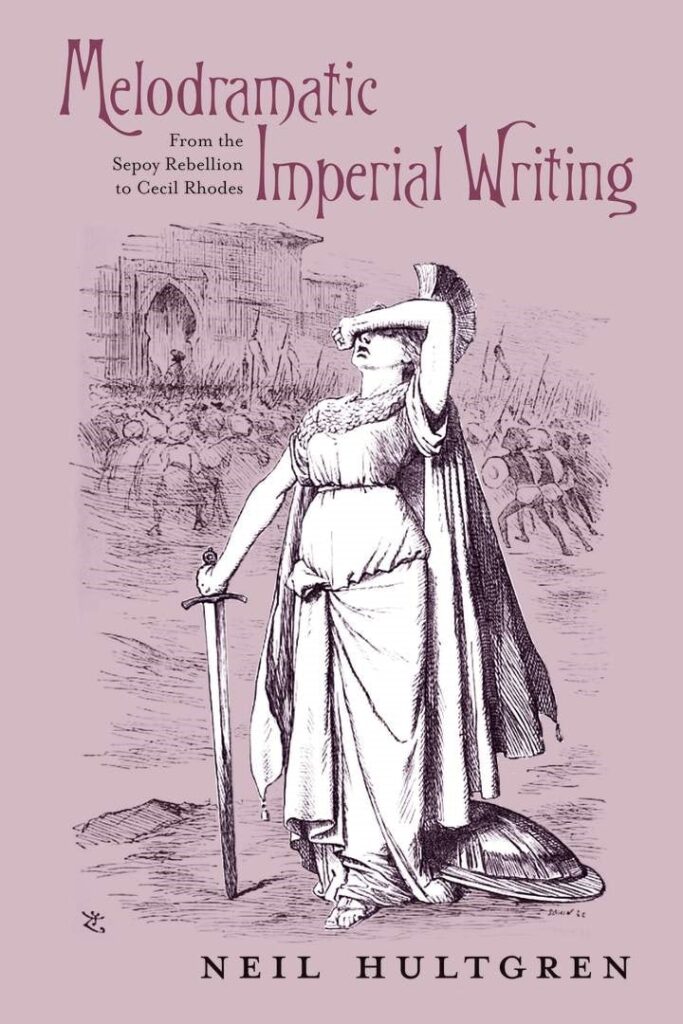
Melodramatic Imperial Writing: From the Sepoy Rebellion to Cecil Rhodes
Neil Hultgren
Melodrama is often seen as a blunt aesthetic tool tainted by its reliance on improbable situations, moral binaries, and overwhelming emotion, features that made it a likely ingredient of British imperial propaganda during the late nineteenth century.
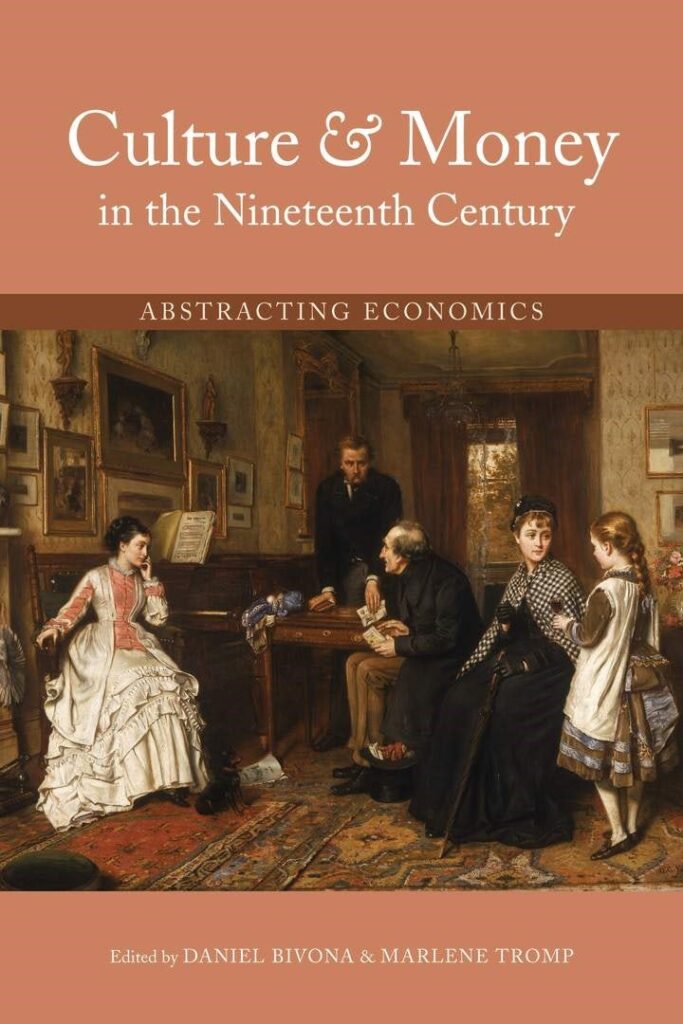
Culture and Money in the Nineteenth Century: Abstracting Economics
Edited by Daniel Bivona and Marlene Tromp
Grounded in literary studies and spanning the Americas, India, England, and Scotland, this book explores the relationship between economic concepts and culture in the period, focusing on how economic tropes were abstracted into other discourses in fields as diverse as evolutionary science, business, and literary narrative.
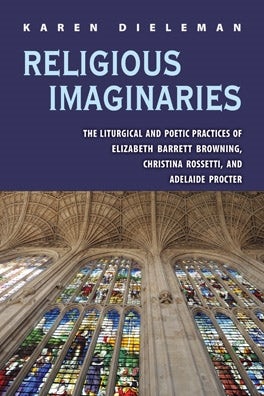
Religious Imaginaries: The Liturgical and Poetic Practices of Elizabeth Barrett Browning, Christina Rossetti, and Adelaide Procter
Karen Dieleman
Explores liturgical practice as formative for how three Victorian women poets imagined the world and their place in it and, consequently, for how they developed their creative and critical religious poetics.
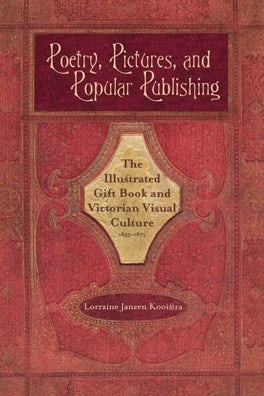
Poetry, Pictures, and Popular Publishing: The Illustrated Gift Book and Victorian Visual Culture, 1855–1875
Lorraine Janzen Kooistra
In Poetry, Pictures, and Popular Publishing eminent Rossetti scholar Lorraine Janzen Kooistra demonstrates the cultural centrality of a neglected artifact: the Victorian illustrated gift book.
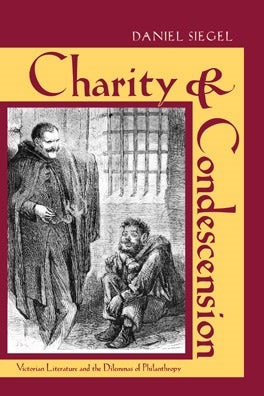
Charity and Condescension: Victorian Literature and the Dilemmas of Philanthropy
Daniel Siegel
Charity and Condescension explores how condescension, a traditional English virtue, went sour in the nineteenth century, and considers how the failure of condescension influenced Victorian efforts to reform philanthropy and to construct new narrative models of social conciliation.
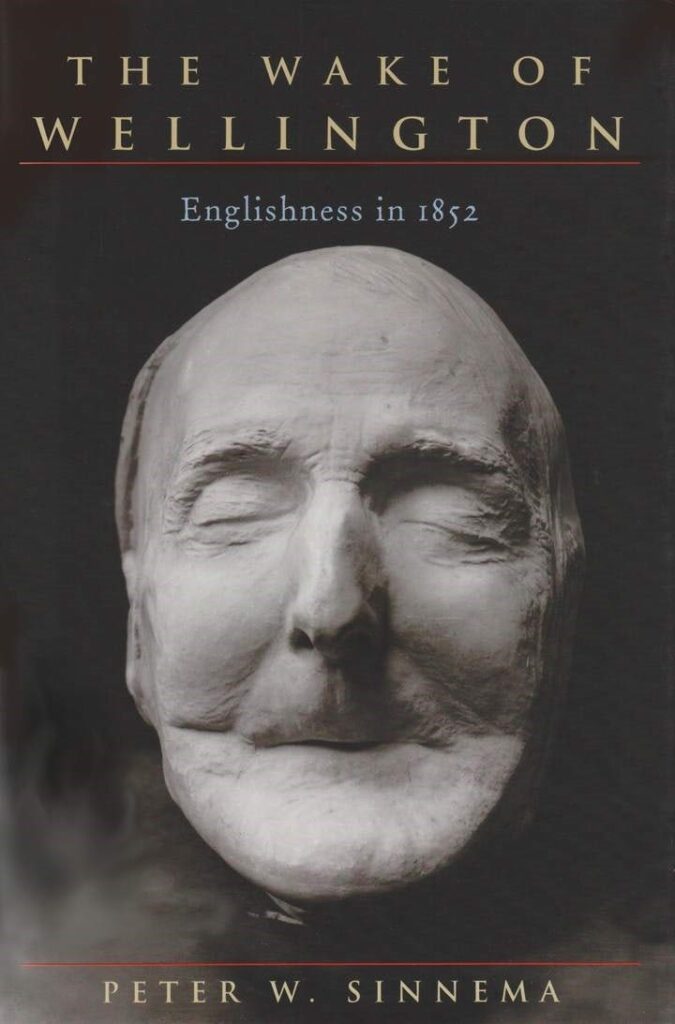
The Wake of Wellington: Englishness in 1852
Peter W. Sinnema
Soldier, hero, and politician, the Duke of Wellington is one of the best-known figures of nineteenth-century England. From his victory at Waterloo over Napoleon in 1815, he rose to become prime minister of his country. But Peter Sinnema finds equal fascination in Victorian England’s response to the duke’s death.
 Skip to content